
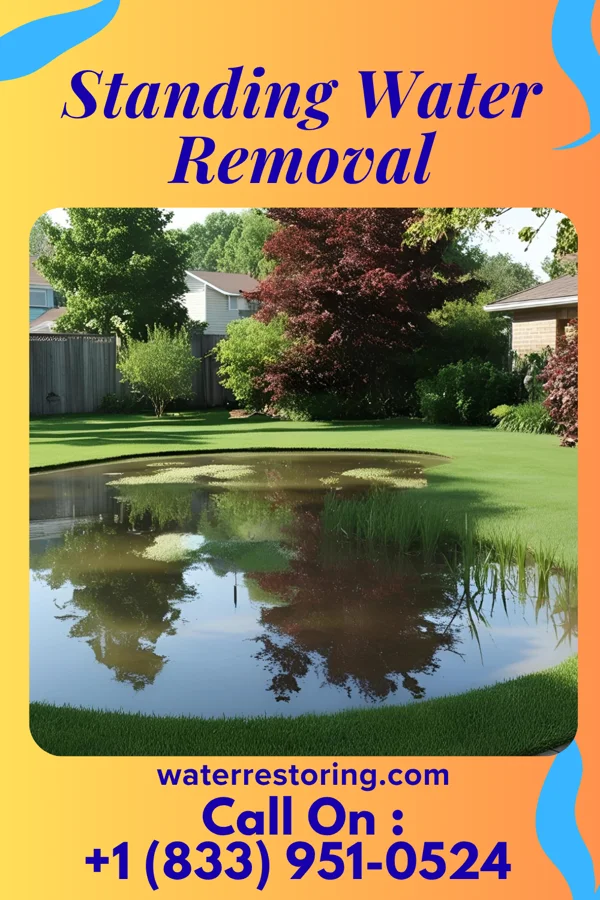
Why Grand Junction Standing Water Demands Fast Removal
Most water damage emergencies in Grand Junction start with In Grand Junction, Iowa, the primary water damage cause is often due to sudden plumbing failures, such as burst pipes in rural homes and small businesses. Additionally, heavy rainfall during the spring and early summer can lead to localized flooding in low-lying areas near Beaver, IA, and Dana, IA.. A close second is Secondary causes include leaking roofs in older homes, especially in neighborhoods like Rippey, IA, and inadequate drainage systems in rural areas. Sudden power outages can also lead to water damage from malfunctioning sump pumps.. From the second water touches the property, every minute changes what gets saved and what gets ripped out.
Grand Junction, Iowa, experiences a humid continental climate with significant precipitation in the spring and early fall, increasing the risk of water damage. The area's rural setting means that water can accumulate rapidly in fields and low-lying areas, posing a threat to nearby properties.
Most standing water removal calls in Grand Junction come from In Grand Junction, Iowa, the primary water damage cause is often due to sudden plumbing failures, such as burst pipes in rural homes and small businesses. Additionally, heavy rainfall during the spring and early summer can lead to localized flooding in low-lying areas near Beaver, IA, and Dana, IA.. Running a close second is Secondary causes include leaking roofs in older homes, especially in neighborhoods like Rippey, IA, and inadequate drainage systems in rural areas. Sudden power outages can also lead to water damage from malfunctioning sump pumps.. Local mold risk: Mold growth can quickly become a serious issue in Grand Junction due to the high humidity and frequent rainfall. Prompt water damage restoration is critical to prevent mold from spreading in homes and businesses located near Beaver, IA, and Dana, IA.